
Strong Bones, Stronger Years. Small Steps Today Can Help Protect Your Bone Health for the Future
October is a great time to think about something we often take for granted: our bones.
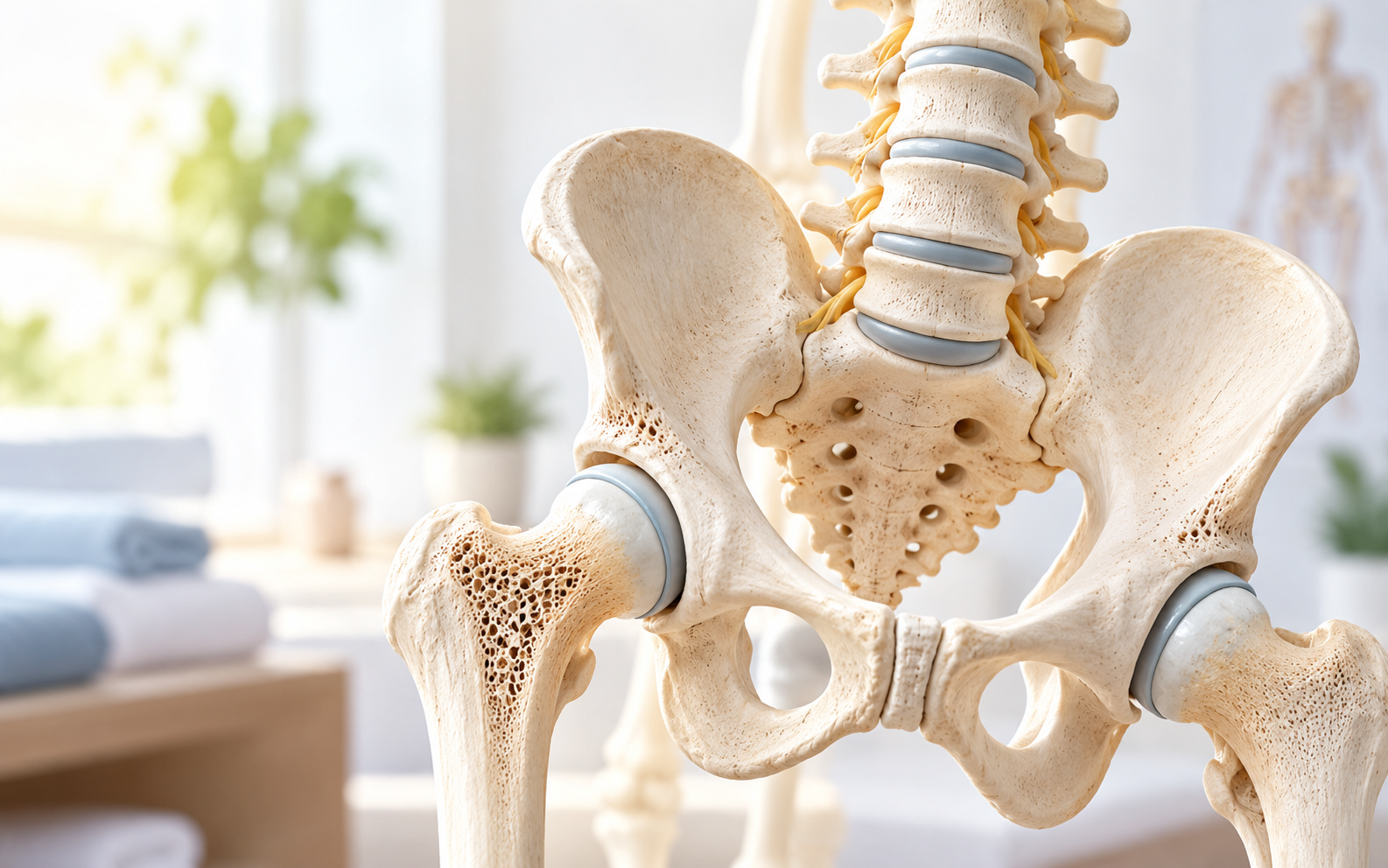
Bone health usually does not get much attention until there is a fracture, a change on a bone density scan, or another reason to take a closer look. But your bones are living tissue, and what happens throughout adulthood can affect their strength later in life.
🥛 Calcium is one of the major minerals stored in bone. Foods such as dairy products, fortified alternatives, leafy greens, and certain fish can contribute calcium to your diet.
☀️Vitamin D helps your body absorb calcium and also plays an important role in bone and muscle health.
More is not always better, though.
Calcium and vitamin D needs vary depending on your diet, medical history, medications, kidney function, and laboratory results. Supplements can be helpful for some people, but they should not automatically replace a balanced diet.
If you are unsure whether you are getting enough, this is something worth discussing with your healthcare provider.
A Note from Dr. Abby
Bone health is something we may not think about until there is a problem, which is why prevention matters.
Simple habits, staying active, building muscle, eating well, and getting appropriate screening can help support stronger bones over time.
If you have questions about bone density, vitamin D, calcium, or osteoporosis risk, bring them up at your next visit.
Our goal is to help you stay strong, active, and independent.
Thank you for trusting Shoreline Endocrinology with your care.
Stay strong and stay well!
This blog post is for general educational purposes only and does not constitute medical advice, diagnosis, or treatment. Reading this blog post does not create a physician-patient relationship with Shoreline Endocrinology or Dr. Abby Abisogun. Please consult your own healthcare professional before making medical decisions. For emergencies, call 911 or go to the nearest emergency department. Shoreline Endocrinology is not liable for actions taken based on this blog post content.